
Sri Lanka has always been a destination that reveals itself gradually. Beyond its well-known beaches and landscapes lies a country shaped by history, resilience, and an enduring culture of hospitality. As it moves into 2026, Sri Lanka does so with renewed confidence and a clear, measured direction for tourism.
The year 2025 marked a significant milestone. Sri Lanka recorded over 2.3 million international visitor arrivals, the highest in its history, signalling a decisive recovery after several challenging years. India emerged as the leading source market, with Europe and other long-haul markets close behind, reaffirming Sri Lanka’s continued appeal across both regional and international segments.
Encouraged by this momentum, Sri Lanka has set a target of welcoming three million visitors in 2026. While ambitious, the goal reflects a coordinated national effort to rebuild tourism thoughtfully, strengthening air connectivity, restoring infrastructure, and encouraging longer, higher-value stays rather than rapid volume-led growth.
For travellers, the attraction remains rooted in experience. Sri Lanka’s compact geography allows for richly varied journeys without haste, from the historic ramparts of Galle Fort and the cultural heartlands of the interior to wildlife encounters in national parks such as Yala and Wilpattu. Tea country, coastal life, ancient cities, and contemporary cuisine coexist within manageable distances, lending themselves well to immersive, well-paced itineraries.
From an access perspective, entry procedures for UK travellers continue to be straightforward. British passport holders are required to obtain an Electronic Travel Authorisation (ETA) prior to arrival, a streamlined online process that simplifies planning and provides clarity for both travellers and tour operators. While discussions around further easing of entry requirements have been reported in the media, the ETA currently remains the official route of entry.
Early arrival data for 2026 suggests continued positive momentum rather than a short-lived rebound. This reflects not only pent-up demand but also renewed confidence in the destination. Sri Lanka is actively re-engaging with traditional source markets while opening doors to new ones through pragmatic policies and consistent messaging. Infrastructure restoration following recent weather-related disruptions is ongoing, with a focus on resilience and visitor comfort.
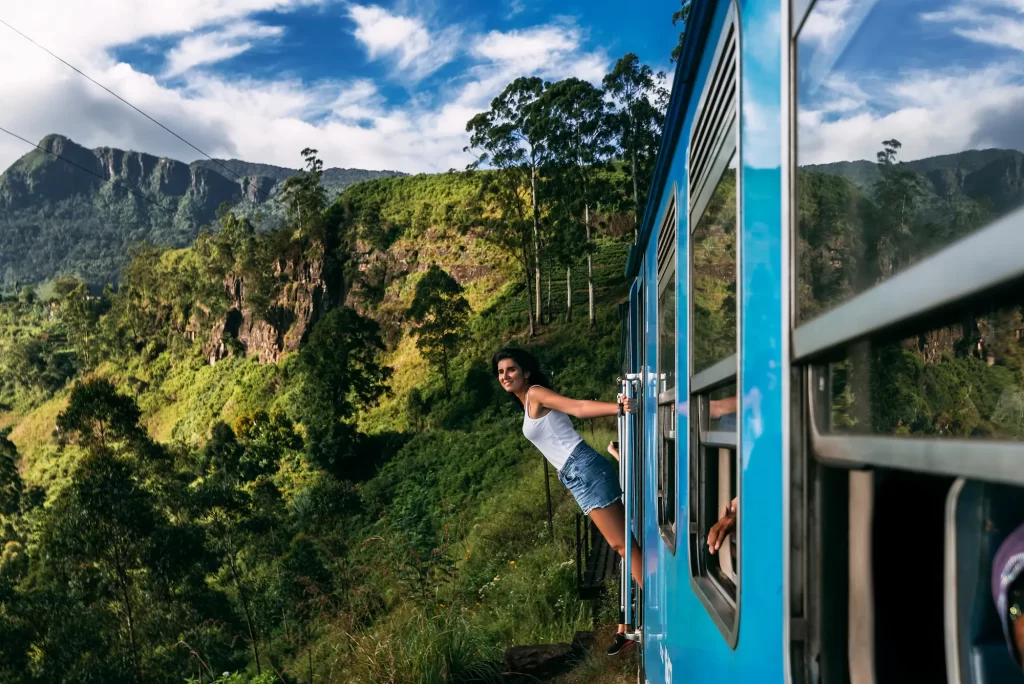
For the travel trade, Sri Lanka’s story in 2026 is one of stability and opportunity. It is a destination that has regained its footing and is now building forward, offering journeys that balance ease of travel with cultural depth, nature, and a strong sense of place.
Sri Lanka does not promise reinvention.
It offers continuity, confidence, and experiences that continue to resonate.